
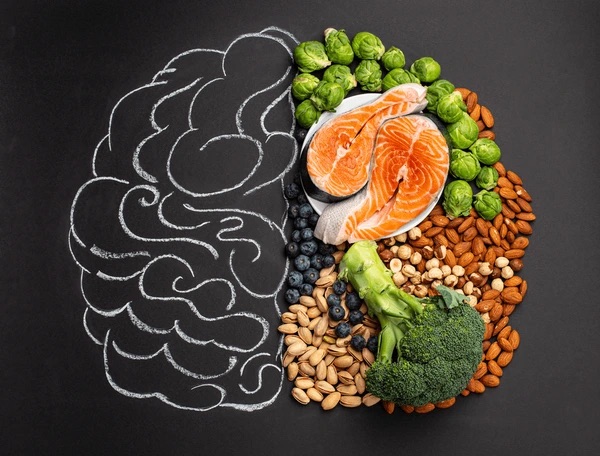
Ever had one of those days when everything feels a little heavier? Your mind’s clouded, your energy’s flat, and motivation is nowhere in sight. The good news: what you eat can have a powerful impact on your mood. These seven nutrient-packed foods help support brain chemistry, balance blood sugar, and kickstart those feel‑good neurotransmitters.
1. Dark Chocolate
Why it helps: Rich in flavonoids and antioxidants, dark chocolate boosts blood flow to the brain and increases endorphin production. A small square can lift your spirits almost instantly.
How to enjoy it: Look for 70% (or higher) cocoa content. Break off a piece after lunch or keep a bar at your desk.
2. Berries
Why they help: Blueberries, strawberries, and raspberries are antioxidant powerhouses. Their polyphenols reduce inflammation in the brain, helping tame stress hormones and sharpen focus.
How to enjoy them:
Blend frozen berries into a smoothie with banana and Greek yogurt. Layer fresh berries over oatmeal or chia pudding.
3. Nuts & Seeds
Why they help: Almonds, walnuts, chia seeds, and flaxseeds deliver healthy fats, magnesium, and tryptophan (a precursor to serotonin). Magnesium calms the nervous system, while tryptophan supports mood balance.
How to enjoy them:
Sprinkle chia or flaxseeds on your yogurt or salad. Snack on a small handful of raw almonds or walnuts mid‑afternoon.
4. Leafy Greens
Why they help: Spinach, kale, and Swiss chard provide folate—a B‑vitamin crucial for dopamine and serotonin production. Low folate levels are linked to depression and fatigue.
How to enjoy them:
Toss baby spinach into your morning omelet. Blend kale into a green smoothie (add banana to mellow the flavor).
5. Fatty Fish
Why it helps: Salmon, mackerel, and sardines are loaded with omega‑3 fatty acids, which reduce inflammation and support healthy neurotransmitter function. Studies link higher omega‑3 intake to lower rates of depression.
How to enjoy it:
Pan‑sear wild‑caught salmon with lemon and herbs. Add canned sardines to salads or avocado toast.
6. Oats
Why they help: Complex carbohydrates like oats release glucose slowly, keeping blood sugar stable and preventing energy crashes that can drag down your mood. Oats are also rich in B‑vitamins, which fuel brain function.
How to enjoy them:
Cook steel‑cut oats with milk or dairy‑free milk, top with berries and a drizzle of honey. Make overnight oats with chia seeds and almond butter.
7. Fermented Foods
Why they help: A healthy gut is linked to a healthy mind—up to 90% of serotonin is produced in the gut. Yogurt, kefir, sauerkraut, and kimchi deliver probiotics that support the gut‑brain axis.
How to enjoy them:
Stir plain Greek yogurt into your morning smoothie bowl. Add a spoonful of sauerkraut or kimchi to your lunch bowl for a tangy kick.
Quick Tips for Mood‑Boosting Eating
Balance your plate: Aim to include protein + healthy fat + whole grain (or produce) at each meal. Stay hydrated: Dehydration can mimic low mood—sip water or herbal tea throughout the day. Plan ahead: Keep snacks like nuts, dark chocolate, or Greek yogurt on hand to avoid reaching for sugar or caffeine.
Your Next Steps
Pick 2–3 foods from this list to integrate into your meals over the next week. Notice how you feel: Track your energy and mood in a journal. Share your experience in the comments below—what worked best for you?
 Beyond Blue